It starts with a sound you barely notice anymore.
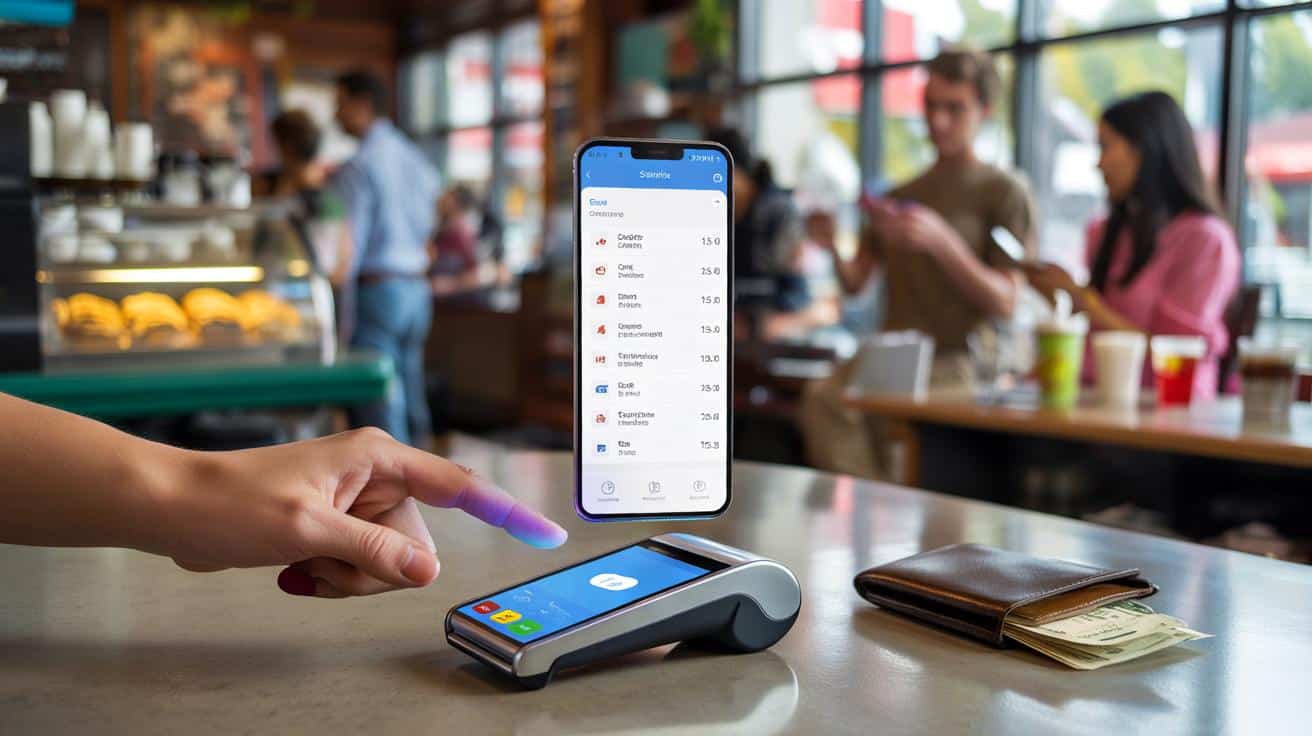
A soft “beep” from your phone as you tap it against a terminal for your morning coffee.
No coins, no bills, no wallet even leaving your pocket. Just a gesture so quick you can do it while answering an email, checking the weather, or scrolling through a reel you’ll forget ten minutes later.
By noon, you’ve done it five times. One coffee, one bus ride, a snack, a streaming rental, a takeaway lunch “because today’s hectic.” Individually, each feels weightless. Tiny. Friendly, even.
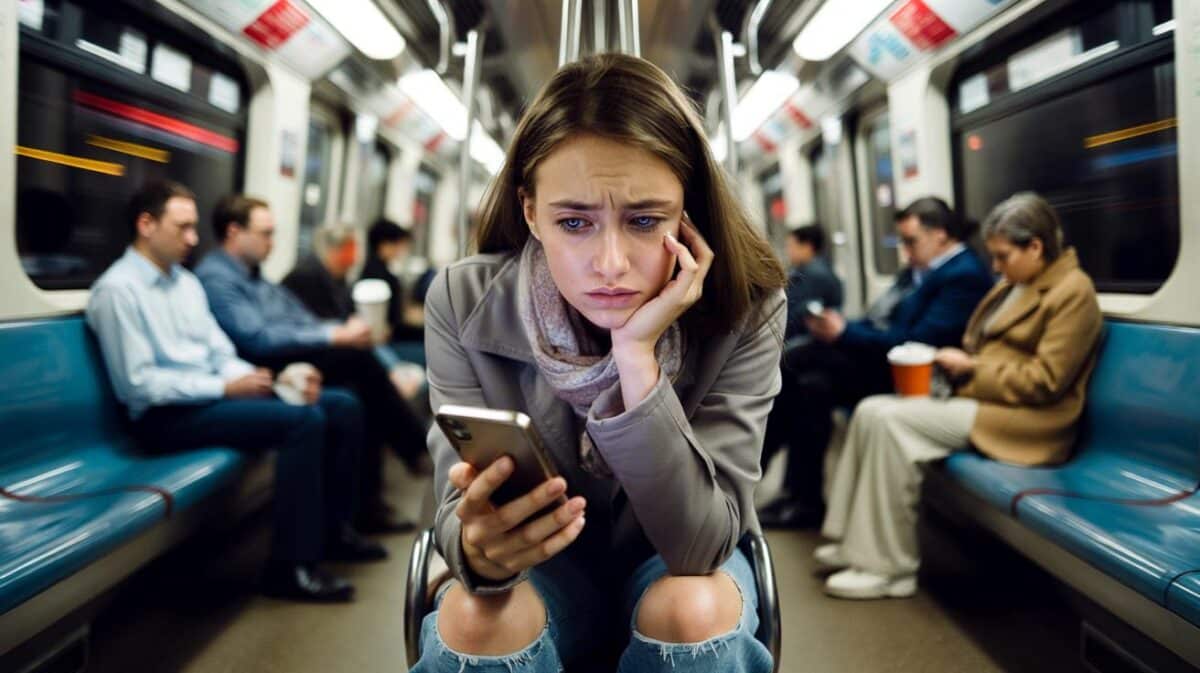
Then your banking app pings you in the evening and your stomach sinks.
You didn’t shop. You didn’t “splurge.” You just… tapped.
And that’s exactly the problem.
The quiet habit that shrinks your sense of spending
Every time you pay without touching real money, your brain registers less pain.
Researchers actually call it the “pain of paying” – that tiny internal wince when cash leaves your hand. When you tap your card or phone, that wince is muffled, almost gone.
We’re living in a world where buying something barely feels like an action anymore. You don’t reach for your wallet, you don’t count bills, you don’t even pause. You just confirm with your face ID and move on.
The gesture feels almost like liking a post.
That’s the overlooked habit: frictionless paying that quietly shrinks how big your expenses feel.
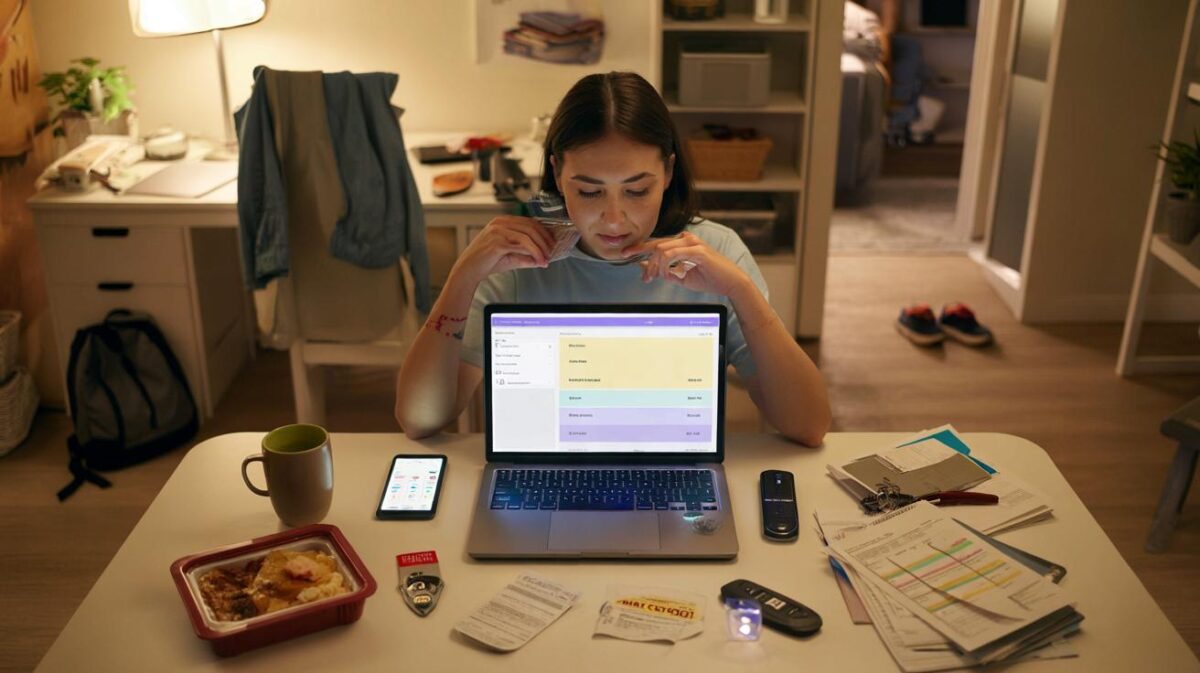
Picture a normal weekday. You wake up tired, skip breakfast, and promise yourself you’ll grab something on the way. At the café, you tap for a latte and a croissant — $7.80. You’re running late, so you call a ride instead of taking the bus — another tap, another $11.40.
At lunch, your colleagues suggest eating out “just this once” because the week’s been hard. You tap your phone, $18.90 gone. Mid-afternoon, you’re dragging, so you grab a snack and a drink from the vending machine with your phone wallet. Evening comes, no groceries at home, so you order delivery — one more tap.
At no point do you feel like you’re spending nearly $50.
You just feel like you’re surviving the day.
➡️ The common pruning habit that actually weakens fruit trees over time
➡️ Stylists recommend this cut for hair that refuses to behave
➡️ I cooked this comforting meal without rushing and it showed
➡️ How to create a budget that adapts to real life, not ideal scenarios
➡️ People who struggle with uncertainty often seek emotional grounding
➡️ If you feel emotionally alert even while resting, psychology explains the learned readiness
➡️ Why feeling tired after a full night’s sleep is more common than you think, and how to fix it
➡️ People who feel calmer alone often regulate emotions internally, psychology says
Psychologists have been warning about this for years. When spending becomes invisible and effortless, our brain struggles to update its inner “expense meter.” Paying no longer feels like losing something, just like completing a small digital action.
Cash used to slow us down. You saw the money leave, your wallet got physically thinner, and you’d think, “This is my last $20, I’ll keep it.” With contactless, there’s no shrinking wallet, just a number far away in an app you don’t want to open.
Let’s be honest: nobody really checks their bank balance before every single small purchase.
So tiny daily taps pile up, and the total only becomes real when it’s already too late.
How to put “weight” back into your daily spending
There’s a simple habit that changes everything: create a tiny pause between you and the tap.
Not a full budget boot camp. Just a deliberate one-second break before money leaves your account.
One concrete trick: rename your bank card or main wallet in your phone. Instead of “Visa” or “Debit,” change it to something like “Rent & Bills Money” or **“Future Me’s Money.”**
Each time you tap, those two or three words flash on the screen and remind you that this isn’t free.
That one second is small, but it’s the moment where your brain wakes up and goes, “Wait. Is this snack worth stealing from Future Me?”
Another method that works surprisingly well is forcing some payments back into the “visible” category. One way is to pick a spending area that always gets out of hand — coffee, lunch, late-night orders — and switch that one thing to cash for a month.
You might feel ridiculous at the ATM taking out $120 labeled “Restaurant budget” with a sticky note. Still, when that envelope empties fast, the message hits you in the gut.
Suddenly, the third lunch out this week doesn’t feel “small” anymore.
We’ve all been there, that moment when you open your banking app and whisper, “How did I spend this much when I barely bought anything?”
Sometimes the only way to feel the real size of your spending is to let it hurt a little again.
- Assign one category to cash only for 30 days (coffee, eating out, or rideshares).
- Rename your main card in your phone to something emotional, not neutral.
- Turn on real-time notifications and don’t swipe them away for at least 10 seconds.
- Screenshot your daily total spending and keep it in a “Money Reality” album.
- Pick one day a week where you allow no taps at all, only pre-planned spending.
Living with money that feels real again
Once you start noticing how light each tap feels, you can’t unsee it.
You realize that your “small” daily gestures carry the same financial weight as those big purchases you agonize over for days.
The strange thing is, when you put more friction back into the way you pay, life doesn’t become heavier. It often becomes calmer. Those constant micro-decisions stop ambushing you, and you begin to choose your treats instead of drifting into them.
*You start to feel proud of the coffee you really enjoy, instead of guilty about the five you barely tasted.*
Money stops being an invisible leak in the background and turns back into a tool you move on purpose.
That’s when daily expenses stop pretending to be smaller than they are — and start matching the life you actually want to fund.
| Key point | Detail | Value for the reader |
|---|---|---|
| Frictionless payments dull spending awareness | Tap-to-pay and one-click purchases reduce the “pain of paying” and distort how big expenses feel | Helps you understand why money seems to “disappear” without obvious big buys |
| Insert a micro-pause before each payment | Renaming cards, reading notifications, or using cash for one category reactivates your internal alarm | Gives you back a sense of control without needing a strict, exhausting budget |
| Make spending visible again | Cash envelopes, screenshots, and no-tap days reconnect daily habits to real amounts | Transforms vague guilt into clear, actionable choices |
FAQ:
- Question 1Is tap-to-pay really worse than using cash, or is it just psychological?
- Question 2Do I need to stop using my phone or card completely to regain control?
- Question 3How fast can I expect to notice a difference if I switch one category to cash?
- Question 4What if I already track my spending in an app but still feel like money vanishes?
- Question 5Is this problem only about small daily buys, or does it affect bigger purchases too?